Essex Society for Family History

Logo

Surnames in the British Isles developed gradually over several centuries, with most becoming hereditary between the 12th and 16th centuries. Understanding surname origins and development patterns is crucial for genealogical research, as it provides insights into family origins, occupations, geographical movements, and social status. 

The study of surnames (onymology) reveals fascinating patterns of migration, settlement, and cultural exchange across Britain and Ireland. This guide explores the major categories of British surnames, their historical development, and provides authoritative resources for surname research. 

Before the Norman Conquest, most people in Britain were known by a single personal name, sometimes with an additional descriptive element: 

  • Anglo-Saxon Names: Personal names often reflected characteristics, hopes for the child, or honoured ancestors 
  • Celtic Traditions: Welsh, Scottish, and Irish naming patterns differed significantly from Anglo-Saxon practices 
  • Scandinavian Influence: Viking settlements introduced Norse naming conventions 
  • Bynames: Descriptive additions to distinguish between people with the same personal name 

Reference: Reaney, P.H. & Wilson, R.M. (1997). A Dictionary of English Surnames. Oxford University Press.

The Norman Conquest brought significant changes to naming patterns: 

  • Continental Names: Introduction of Norman French personal names 
  • Latin Documentation: Church and legal records began systematic recording 
  • Territorial Names: Norman nobles brought place-names from their French estates 
  • Administrative Needs: Growing population and bureaucracy required better identification systems 

This period saw the gradual adoption of hereditary surnames: 

  • Upper Classes First: Nobility and landowners were first to adopt fixed surnames 
  • Urban Development: Town-dwellers adopted surnames earlier than rural populations 
  • Regional Variations: Different areas of Britain developed surnames at different rates 
  • Occupational Specialization: Growing craft specialization led to more occupational surnames 

Reference: McKinley, Richard A. (1990). A History of British Surnames. Longman. 

Surnames became increasingly fixed and hereditary: 

  • Legal Requirements: Court records and land tenure required consistent identification 
  • Parish Records: From 1538, parish register keeping standardized name recording 
  • Spelling Variations: Limited literacy meant many spelling variants for the same surname 
  • Social Mobility: Some families changed or adapted surnames as they rose in status 

British surnames are categorised into 4 main types based on how they derived. These 4 types are briefly discussed below. 

1. Placename & topographic derived (Toponymic) Surnames 

These surnames derive from geographical locations and represent the largest category of British surnames. 

Types of Toponymic Surnames: 

Major Place Names 

  • Examples: London, York, Lancaster, Chester, Kent 
  • Origin: Named after counties, major towns, or well-known geographical features 
  • Research Tip: Check for variant spellings and historical place names 

Minor Place Names 

  • Examples: Ashford, Bradshaw, Greenwood, Whitfield 
  • Origin: Named after villages, hamlets, farms, or local topographical features 
  • Research Challenge: Multiple places may share the same name 

Topographical Features 

  • Examples: Hill, Wood, Brook, Stone, Field, Marsh 
  • Origin: Describe the landscape near where the family lived 
  • Variations: Often combined with descriptive elements (Blackwood, Redhill) 

Prepositions and Articles 

  • Examples: Atwood, Underhill, Bywater, Del Monte 
  • Origin: Include prepositions meaning "at," "by," "under," or "from" 
  • Historical Note: Some prepositions were later dropped or incorporated 

Reference: Mills, A.D. (2011). A Dictionary of British Place Names. Oxford University Press. 

2. Patronymic Surnames 

Patronymic surnames derive from the father's personal name, indicating "son of" or "descendant of." 

English Patronymics: 

"-son" Endings 

  • Examples: Johnson, Richardson, Thompson, Wilson 
  • Meaning: Literally "son of John," "son of Richard," etc. 
  • Regional Patterns: More common in northern England and Scotland 

"-s" Endings 

  • Examples: Roberts, Williams, Edwards, Phillips 
  • Meaning: Possessive form meaning "of Robert," "of William," etc. 
  • Regional Patterns: More common in Wales and western England 

Without Suffixes 

  • Examples: John, William, Robert, Thomas (when used as surnames) 
  • Origin: Direct adoption of the father's personal name 
  • Context: More common in certain regions and social classes 

Reference: Hanks, Patrick, et al. (2016). The Oxford Dictionary of Family Names in Britain and Ireland. Oxford University Press. 

3. Occupational Surnames 

These surnames derive from the occupation or trade of the original bearer. 

Common Occupational Categories: 

Agricultural and Rural Occupations 

  • Examples: Farmer, Shepherd, Miller, Carter 
  • Variants: Often include regional terms (Cowherd, Oxherd) 
  • Social Context: Reflect the predominantly agricultural medieval economy 

Craft and Trade Occupations 

  • Examples: Smith, Wright, Cooper, Baker, Tailor 
  • Specializations: More specific trades (Goldsmith, Wheelwright, Hooper) 
  • Urban Context: Reflect growing medieval towns and craft specialization 

Professional and Service Occupations 

  • Examples: Clerk, Cook, Butler, Steward, Chamberlain 
  • Social Level: Often indicate service to nobility or wealthy households 
  • Education: Some indicate literacy or specialized knowledge 

Military and Official Occupations 

  • Examples: Knight, Sergeant, Constable, Bailey, Marshall 
  • Authority: Indicate positions of responsibility or command 
  • Regional Variations: Different titles used in different areas 

Reference: Reaney, P.H. (1967). The Origin of English Surnames. Routledge. 

4. Nickname Surnames 

These surnames derive from personal characteristics, either physical or behavioral. 

Physical Characteristics: 

Size and Build 

  • Examples: Little, Small, Long, Short, Strong, Stout 
  • Variants: Regional terms (Petit from Norman French) 
  • Irony: Sometimes given ironically (Little to a large person) 

Hair and Complexion 

  • Examples: Brown, Black, White, Gray, Reid (red) 
  • Colors: Often refer to hair or complexion 
  • Regional Terms: Different languages contribute variants 

Other Physical Features 

  • Examples: Longfellow, Broadhead, Crook, Straight 
  • Descriptive: Often quite specific physical characteristics 
  • Medieval Directness: Reflect the direct speech patterns of the period 

Personality Characteristics 

  • Examples: Good, Sweet, Stern, Wilde, Merriman 
  • Social Observation: Reflect how the person was perceived by community 
  • Moral Judgments: Sometimes indicate character assessment 

Habits and Mannerisms 

  • Examples: Walker, Talker, Singer, Whistler 
  • Observable Behaviour: Based on distinctive personal habits 
  • Professional Overlap: Sometimes overlap with occupational names 

Social Status Indicators 

  • Examples: King, Prince, Lord, Freeman, Villein 
  • Ceremonial Roles: May indicate participation in pageants or plays 
  • Social Aspiration: Sometimes indicate desired rather than actual status 

Reference: McKinley, Richard A. (1988). The Surnames of Oxfordshire. English Surnames Survey.
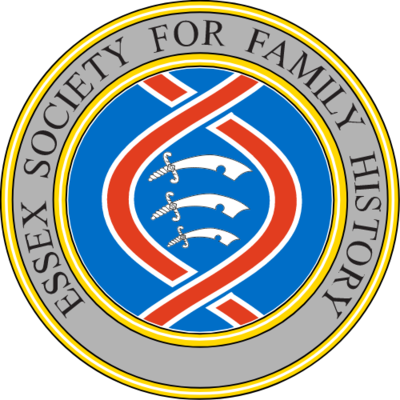
Northern England 

  • Patronymic Preference: Higher proportion of "-son" surnames 
  • Scandinavian Influence: Viking settlement patterns still visible 
  • Examples: Scandinavian personal names (Thorpe, Grimsby, surnames like Larsen) 

Southern England 

  • Norman Influence: More French-derived surnames 
  • Occupational Diversity: Wider range of craft specializations 
  • Examples: More Norman place names and French occupational terms 

Eastern England 

  • Continental Contact: More surnames showing continental European influence 
  • Trade Connections: Occupational surnames reflecting international trade 
  • Examples: Flemish and Germanic influences 

Western England and Welsh Borders 

  • Celtic Survival: More Celtic-derived surnames 
  • Patronymic Traditions: Strong tradition of patronymic naming 
  • Examples: Welsh "ap" surnames, Celtic place names

Historical Spelling Changes 

Medieval Flexibility 

  • Limited Literacy: Most people couldn't spell their own names 
  • Scribal Variations: Different scribes spelled names differently 
  • Phonetic Spelling: Names spelled as they sounded to the scribe 

Standardization Process 

  • Print Culture: Printing press encouraged spelling standardization 
  • Education: Rising literacy led to more consistent spelling 
  • Official Records: Government records gradually standardized spellings 

Common Variation Patterns 

Vowel Changes 

  • Examples: Clark/Clarke, Gray/Grey, Alan/Allen 
  • Regional Accents: Different pronunciations led to different spellings 
  • Scribal Preferences: Individual scribes had preferred spellings 

Consonant Changes 

  • Examples: Thompson/Thomson, Jackson/Jakson 
  • Sound Changes: Language evolution affected pronunciation and spelling 
  • Foreign Influences: Contact with other languages created variants 

Prefix and Suffix Changes 

  • Examples: Atkinson/Adkinson, MacDonald/McDonald 
  • Regional Preferences: Different areas preferred different forms 
  • Social Mobility: Families sometimes changed spellings when moving up socially 

Research Implications 

Search Strategies 

  • Multiple Spellings: Always search for variant spellings 
  • Soundex Systems: Use phonetic matching systems 
  • Wild Cards: Use wildcard searches in digital databases 

Documentation Practices 

  • Record Variants: Note all spelling variants found in research 
  • Dating Changes: Try to determine when spelling changes occurred 
  • Regional Patterns: Note geographical distribution of variants 

Reference: Titford, John (2009). Succeeding in Family History: Helpful Hints and Time-Saving Tips. Countryside Books.

Geographical Distribution Studies 

Surname Mapping 

  • Concentration Areas: Most surnames show geographical concentration 
  • Migration Patterns: Distribution changes reveal historical migration 
  • Research Tools: Modern databases allow distribution analysis 

Regional Concentrations 

  • Origin Areas: Surnames often most common near their place of origin 
  • Migration Routes: Transportation routes affected surname distribution 
  • Urban Centres: Cities show more diverse surname populations 

Historical Migration Factors 

Economic Migration 

  • Industrial Revolution: Movement from rural to industrial areas 
  • Seasonal Work: Agricultural workers following seasonal employment 
  • Trade Routes: Commercial activity encouraged surname movement 

Social Migration 

  • Marriage Patterns: Women carrying surnames to new areas 
  • Military Service: Soldiers and sailors spreading surnames 
  • Religious Movement: Persecution and opportunity affecting distribution 

Modern Distribution Patterns 

  • Urbanization: Concentration in major cities 
  • International Migration: Global spread of British surnames 
  • Transport Revolution: Easier movement reducing geographical concentration

Primary Sources for Surname Research

Medieval Records

  • Pipe Rolls: Early taxation records showing surname development
  • Charter Rolls: Land grants and legal documents
  • Court Rolls: Manor court proceedings with early surname forms
  • Location: The National Archives, county record offices

Parish Registers

  • Coverage: From 1538 onwards, showing surname stability
  • Variations: Multiple spellings of the same surname
  • Family Connections: Relationships between surname variants
  • Location: County record offices, FamilySearch, Ancestry

Tax Records

  • Hearth Tax Returns: 17th-century household listings
  • Subsidy Rolls: Medieval and early modern taxation
  • Poll Tax Returns: Late 14th-century population records
  • Location: The National Archives, published editions

Online Surname Databases 

  1. FamilySearch Surname Distribution Maps 
    • Global distribution of surnames over time
    • Free access with registration
    • Historical migration patterns visible
    • Website: FamilySearch - Surname
  2. Ancestry.co.uk Surname Origins
    • Basic etymology and meaning information
    • Distribution maps and frequency data
    • Links to related records and DNA matche s
    • Website: Ancestry Surname Search
  3. The Guild of One-Name Studies

Y-DNA Surname Projects 

  • Patrilineal Inheritance: Y-DNA follows same inheritance pattern as surnames 
  • Surname Variants: DNA can confirm relationship between spelling variants 
  • Geographic Origins: DNA haplogroups can indicate ancient origins 

Research Applications 

  • Variant Confirmation: Prove relationship between different spellings 
  • Origin Studies: Confirm or challenge traditional etymologies 
  • Migration Tracking: Follow surname movement through DNA patterns 

Reference: King, Turi E., et al. (2019). "Identifying Y-chromosome haplogroups in surname studies." Forensic Science International: Genetics, 38, 155-162.

Our Opening Hours

For Research Centre Opening Hours
Please ask today's volunteer

Respect & Protect

Respect copyright and data protection.
Do not save personal data to these PCs.

Feedback

We welcome your feedback to help us
improve the Research Centre

Computer

Research Centre PC
ESFH-01

Computer

Research Centre PC
ESFH-02

Computer

Research Centre PC
ESFH-03

© Copyright. Essex Society for Family History. All Rights Reserved.  Registered Charity No 290552
Website by Beachshore

Website by Beachshore